

Who He Is: Demna Gvasalia is fashion’s disruptive yet minimalist wild child, and one of the most impactful creative directors of his generation. Currently leading Gucci since 2025 and previously at the helm of Balenciaga for a decade, while also co-founding VETEMENTS, his origin story explains the disruptive vision and unconventional approach to design that have defined his career. Born into a modest family, Demna Gvasalia was born on March 5, 1981, in Sukhumi, Georgia. Born to a Georgian father and a Russian mother, he grew up in a tense geopolitical context. But in 1991, with the fall of the USSR, and many conflicts in Georgia, forced his family to flee to Ukraine, where he spent his adolescence; this period profoundly marked him and his future designs. Then he went to Belgium, and got admitted at the Royal Academy of Fine Arts in Antwerp, only 60 students from 300 are admitted per year, in terms of prestige, very few fashion schools have this very competitive admissions and is notorious for its high attrition rate, many students do not graduate. Demna, resilient as always, graduated and applied for an internship at Balenciaga, only to be rejected. Imagine being turned down by the same brand you would later become Creative Director of. A powerful lesson in persistence.
What he does: Demna Gvasalia remained at the helm of Balenciaga for 10 years before handing the reins, in July 2025, to Pierpaolo Piccioli, former creative director of the Valentino fashion house. But what is certain is that he left his mark on the house: an avant-garde genius who gave us iconic collections and runway shows. From shows held in a snowstorm to collections more innovative than the last, and clothes that made a statement. By breaking the rules, he was able to bring a breath of fresh air to the French brand. Gvasalia doesn’t seek to control fashion but to inspire it. And thanks to this, he has won numerous awards: the British Fashion Award (2018), the Order of Merit (a medal that rewards Ukrainian citizens who have accomplished great things).But in March 2025, he left Balenciaga, he was appointed creative director at Gucci, replacing Sabato de Sarno.
Fun fact: The creation of his label “Vetements” with Guram Gvasalia was a huge “all-in” project, as the money spent on creating the brand came not from any investor but from Demna Gvasalia’s own pocket. All his savings went into it. As a result, their first presentations were very modest.
Artistic Direction and Vision
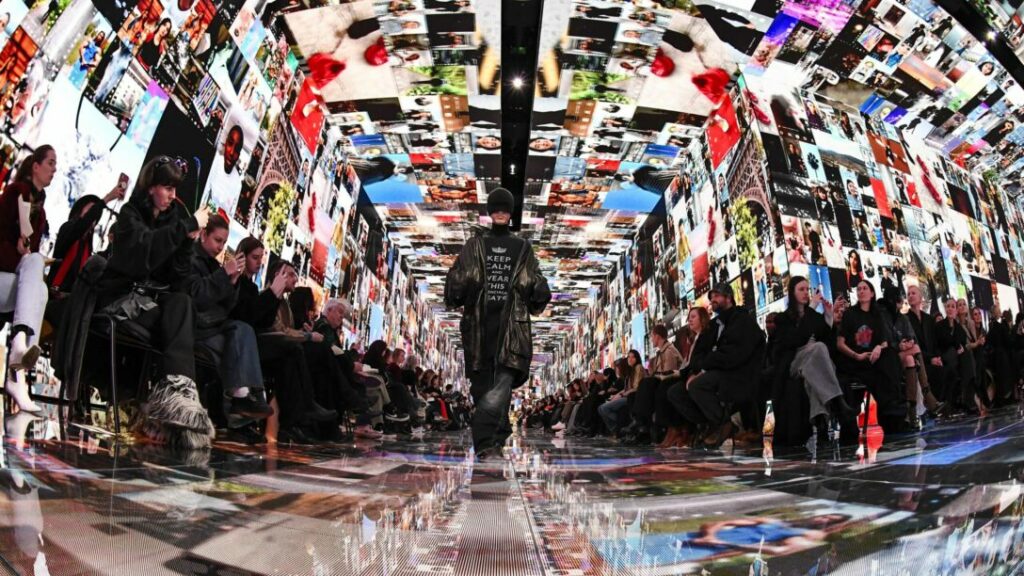
Shaped by streetwear and highly regarded by Millennials and Generation Z, Demna has left his mark on an entire generation of designers, remaining true to his values. Oversized logos, exaggerated silhouettes, and a knack for transforming everyday pieces into beautiful garments. This is what Demna Gvasalia brings to fashion. He seems to be the antithesis of perfection, turning ordinary into extraordinary. Gvasalia believes that art is the best way to communicate and explain. He likes to tell his story through collections, as in 2023 during his Fall/Winter show, which took place during a snowstorm. With post-apocalyptic outfits and garbage bags as handbags, the show clearly depicted the exodus of Georgia’s population. His designs aren’t very colorful, sometimes nonchalant, but they express Demna’s point of view to his audience.
Demna views fashion as a powerful medium for challenging social norms and reflecting contemporary realities. He seeks to move beyond the purely aesthetic function of clothing, using it as a tool for personal expression and critical reflection. Through his work, he explores the intersections of individuality, popular culture, and collective identity, promoting a vision of fashion that is both inclusive and deeply connected to the world around it.
Heritage

The legacy Demna leaves behind is deeply rooted in streetwear and urban exploration culture. But above all, he brought the history of a country to a wider audience. He came from a modest family; his father was, as far as we know, a craftsman, and his mother was a homemaker. Nothing predestined him for success in fashion. But thanks to his creative genius, he managed to rise to the top. Demna’s legacy extends far beyond clothing. First, he left a significant mark on Balenciaga. Second, he proved that the undesired or even the art of luxury fashion satire can be beautiful depending on how it is worn and embraced.
Despite his international success, Demna Gvasalia remains deeply connected to his Georgian roots. His childhood experiences, shaped by political conflict and displacement, continue to influence his creative vision. Working across major fashion capitals, he has developed a distinctive approach that blends personal history with contemporary culture. In summary, Demna’s Georgian heritage, eastern europe and enriched by international experiences remains a key source of inspiration in his work.
Personal Style
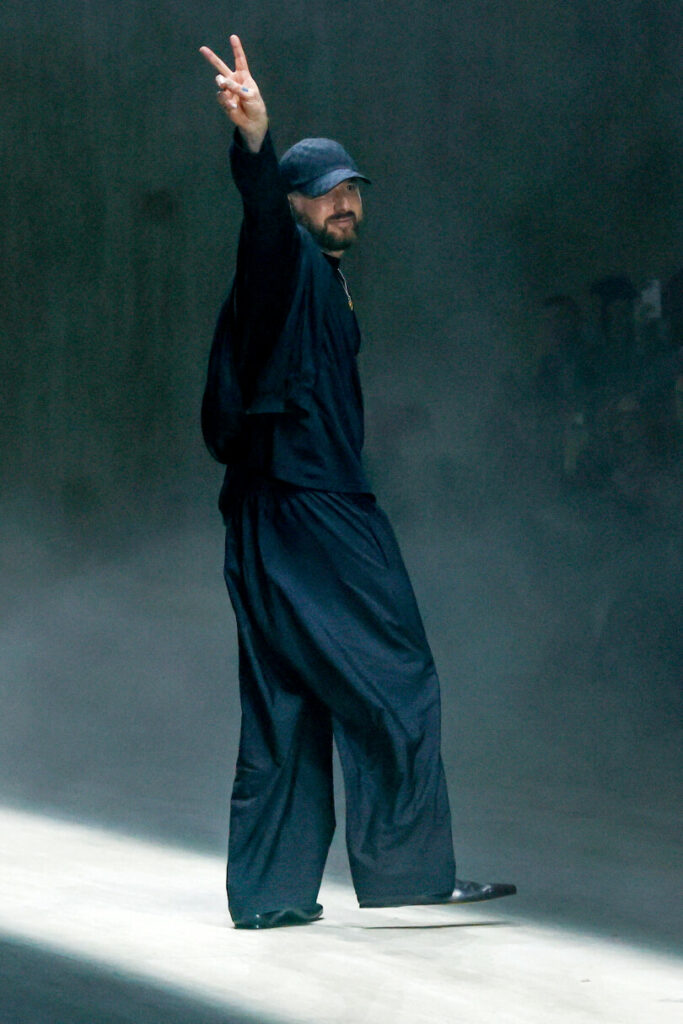
Demna Gvasalia’s personal style reflects his vision of fashion as a tool for self-expression and cultural commentary. He is often seen wearing oversized hoodies, loose trousers, baseball caps, and sneakers, creating a distinctive look that combines comfort with a rebellious attitude. His wardrobe mirrors the streetwear influences that have shaped much of his work and challenges traditional ideas of luxury fashion.
While his public appearance is usually understated and monochromatic, Demna’s designs often explore bold proportions, unconventional silhouettes, and references to everyday clothing. His personal style emphasizes practicality and authenticity rather than glamour. This approach aligns with his belief that fashion should connect with real life and reflect contemporary society rather than simply follow trends.
Controversiality
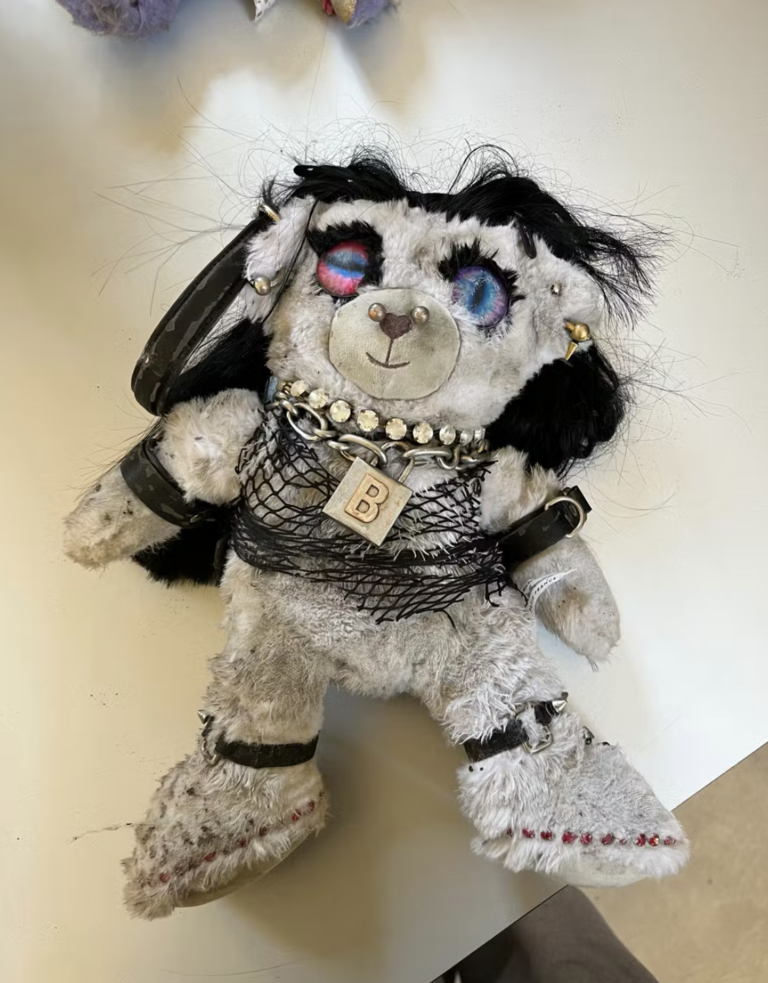
Demna Gvasalia’s career is filled with controversies, some more significant than others. But one in particular resonated with the public. At the end of 2022, a brand-new campaign directed by Demna for the Spring/Summer collection was released, but it was met with mixed reactions. It featured young children with BDSM-style plush toys and accessories reminiscent of sadomasochistic practices. Following accusations of child sexualization, Demna publicly apologized, justifying himself by saying it was an “artistic mistake”. It could have stopped there. But internet users also drew attention to another photo, for the spring-summer 2023 collection. A bag from a collaboration with Adidas is placed, in an office setting, on documents on which are printed extracts of a decision of the American Supreme Court on child pornography. The brand’s image had taken a hit. Demna apologized publicly again. The campaign was withdrawn, and Balenciaga took action and made donations related to child protection.
Most Known For
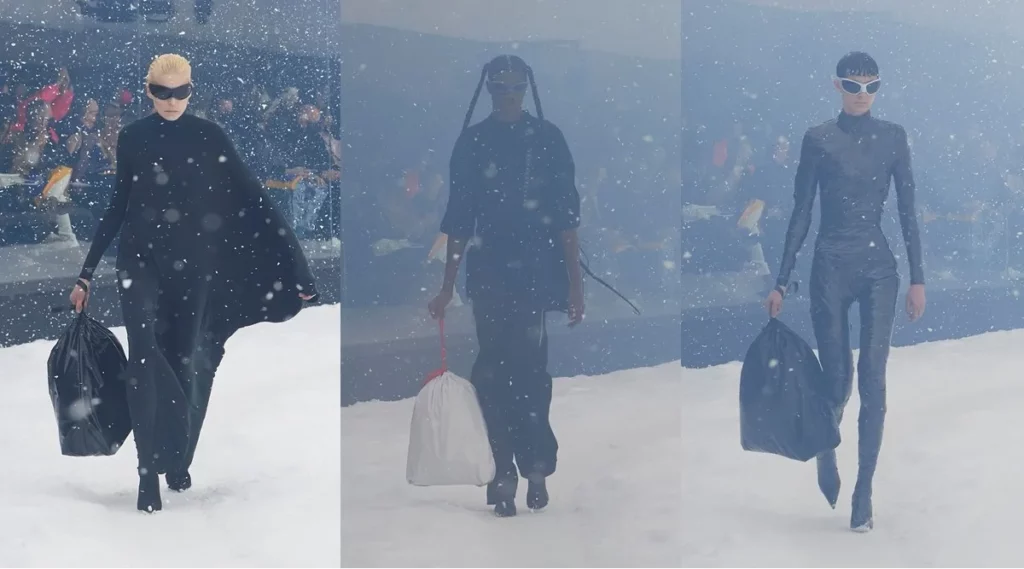
Demna Gvasalia is best known for being the king of luxury fashion satire combined with being the creative force behind Balenciaga for over a decade, Vetements brand, and now Gucci. He is celebrated for transforming the luxury fashion industry with his innovative approach, combining streetwear influences, oversized silhouettes, and social commentary, while redefining modern luxury for this generation.
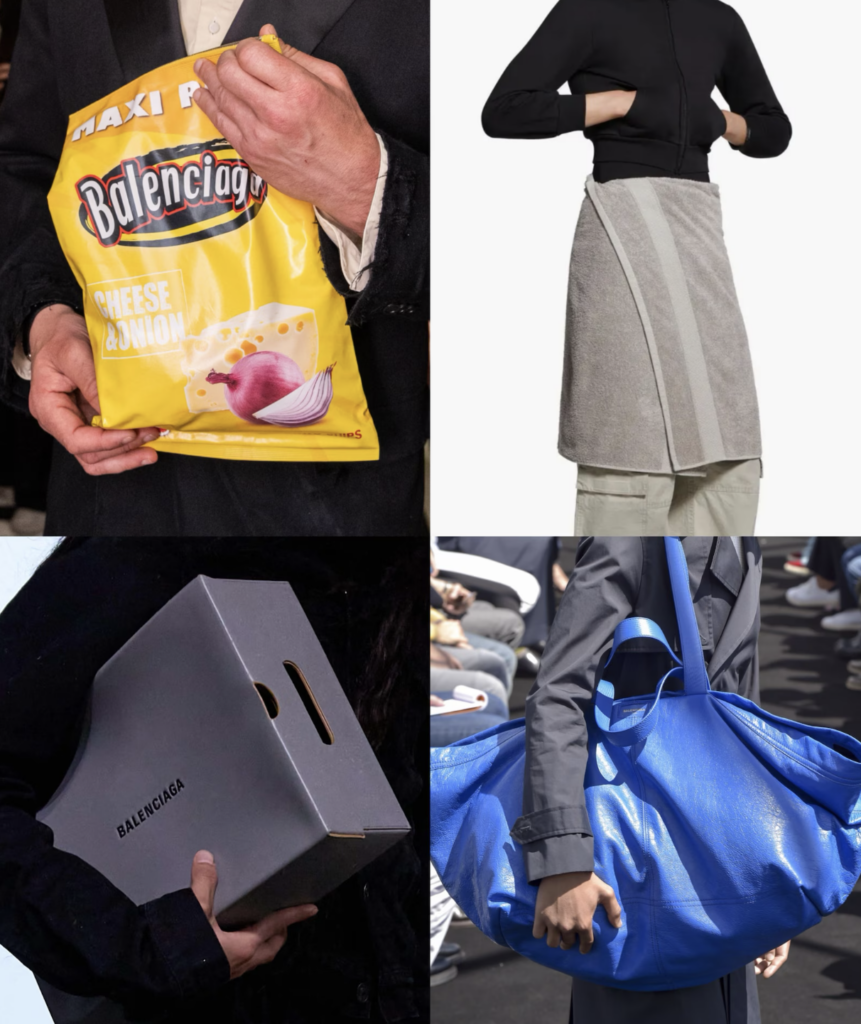
Iconic Design Signatures: Known for popularizing oversized tailoring, chunky sneakers such as the Balenciaga Triple S. He is also well known for the times when he seemed to mock what “fashion” has become: a bracelet made from adhesive tape, an handbags that look like chips or trash bags, or even a bag almost identical to the one from Ikea which he sells for 1,695 euros. Some see genius in this; others see it as provocation.
An off-the-beaten-path approach: One thing that also makes Demna so iconic is his background before art school; he studied economics. He explains that it was there that he learned about customer expectations, what makes them leave, and what makes them stay. And it’s thanks to this he is consiodered today a luxury fashion marketing genius, that he created the brand image he wanted, including shoots featuring anti-fashion photos, very flat lighting, and truly simple sets.
Founder of Vetements: Before leading Balenciaga, Demna co-founded Vetements, a label that became known for disrupting the fashion industry through deconstructed garments, oversized proportions, and a fresh interpretation of everyday fashion. The brand played a major role in shaping the streetwear-luxury movement of the 2010’s.
Least Known For
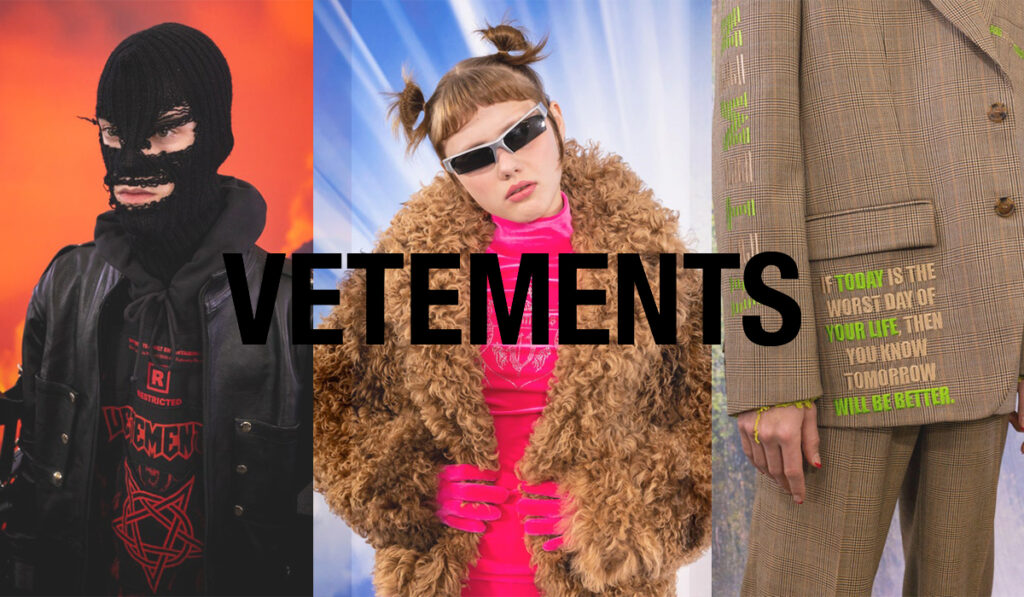
Even though Demna Gvasalia is rather reserved and introverted, certain testimonies reveal him to be a fascinating person.
Demna is a photographer: One might think that Demna Gvasalia is an artist solely because of fashion, but no, he also has artistic talent in photography. For some shoots for his brand Vetements, he’s the one behind the camera.
His passion for humanity: It’s said that he can suddenly start observing people, whether at the office, in shops, or in queues. He loves watching humans live. It inspires him greatly.
Removing his name for VETEMENTS: When he and his brother Guram Gvasalia created their label Vetements, he didn’t include his name; some employees weren’t even aware he worked there.
Demna Gvasalia is an Aries: and it shows in his disruptive, instinct-driven approach to fashion. Aries energy is bold, pioneering, and unafraid of breaking rules, qualities reflected in his fearless creative direction and his constant push against industry conventions. His work carries that fire-sign intensity: direct, provocative, and always ahead of the curve.
Author Paul Schwoerer
I am young fan of fashion. I sew, I create and I think about clothes. In the future I want to create my own brand with my best friend.