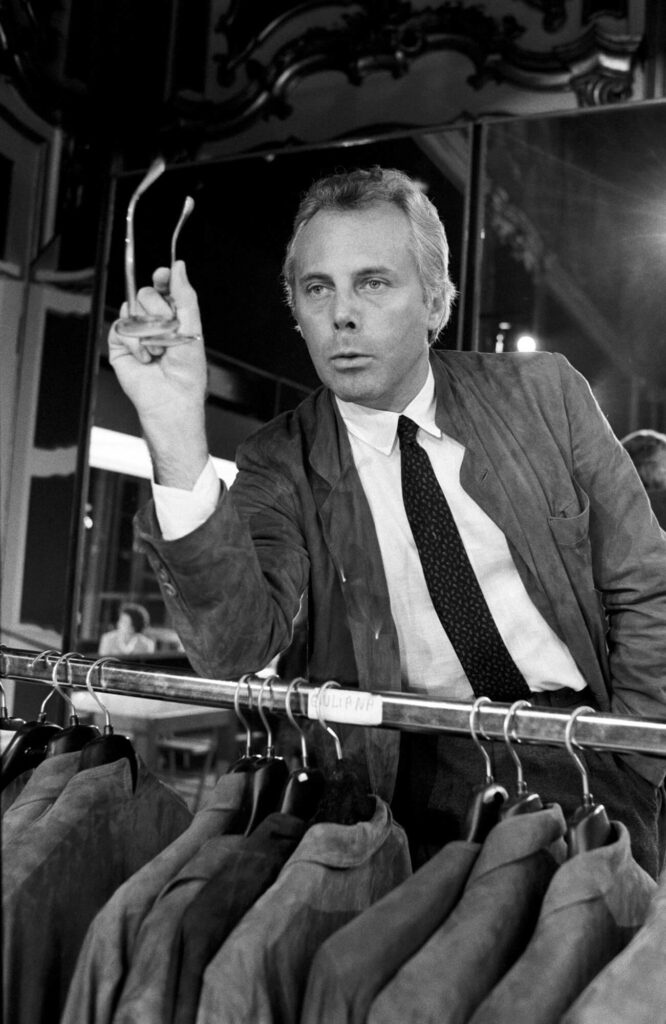
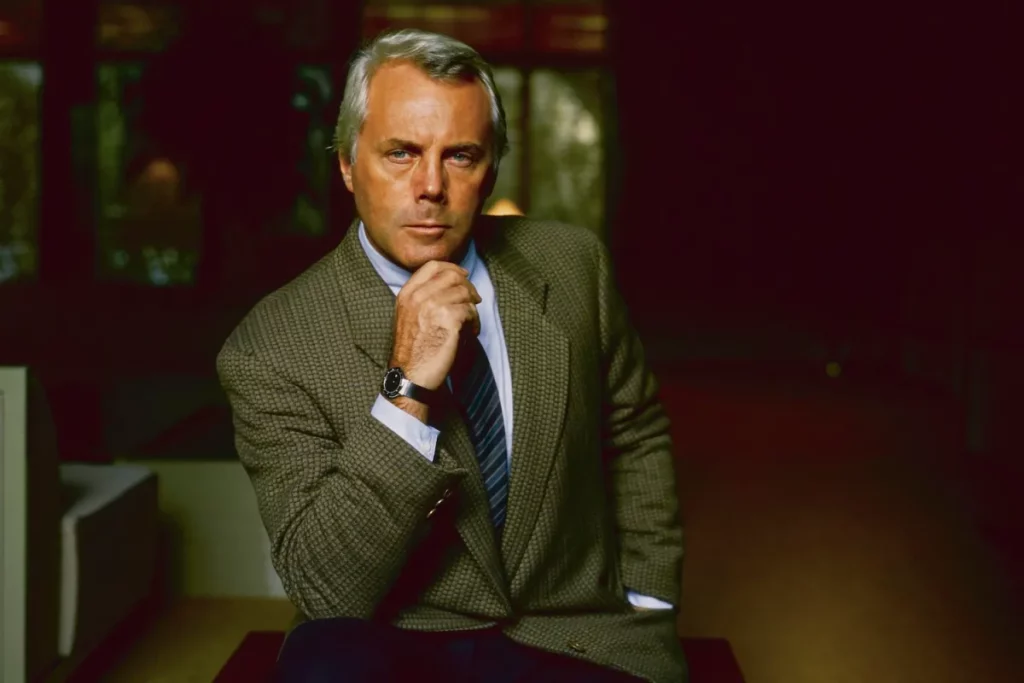
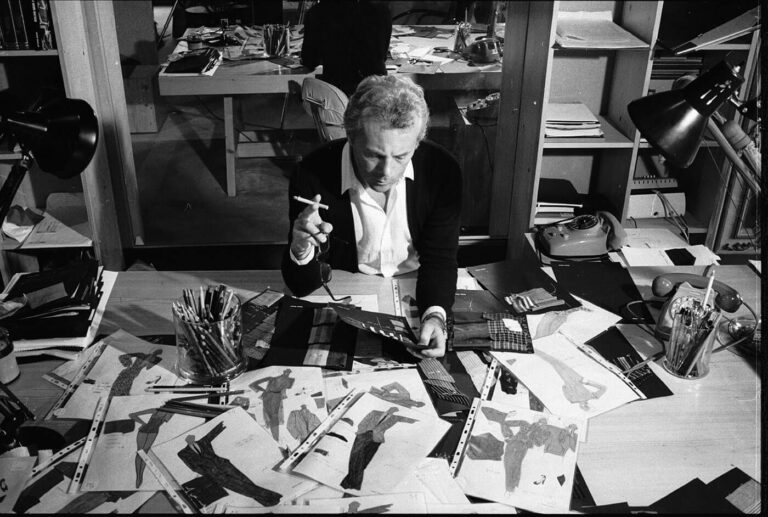
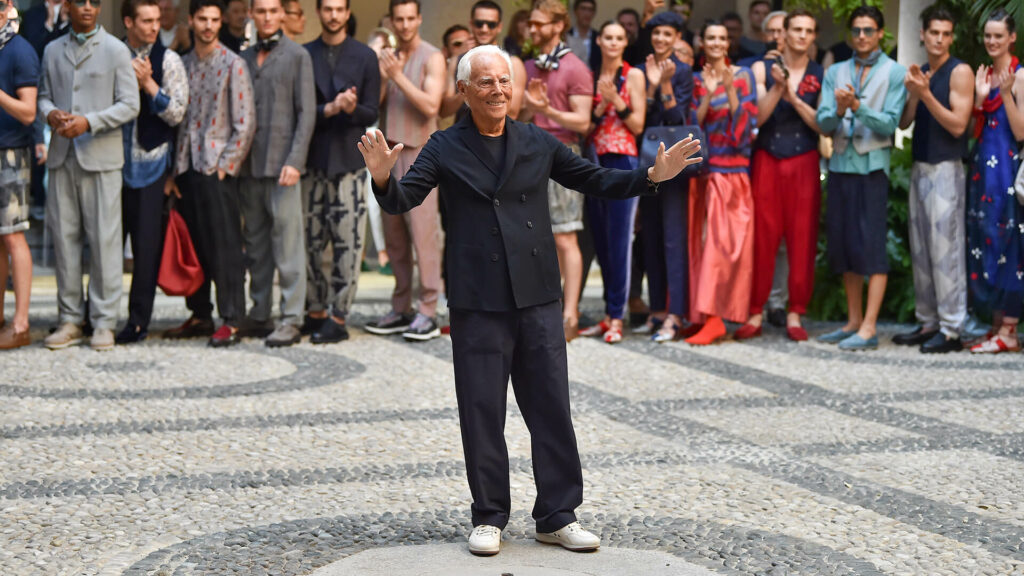
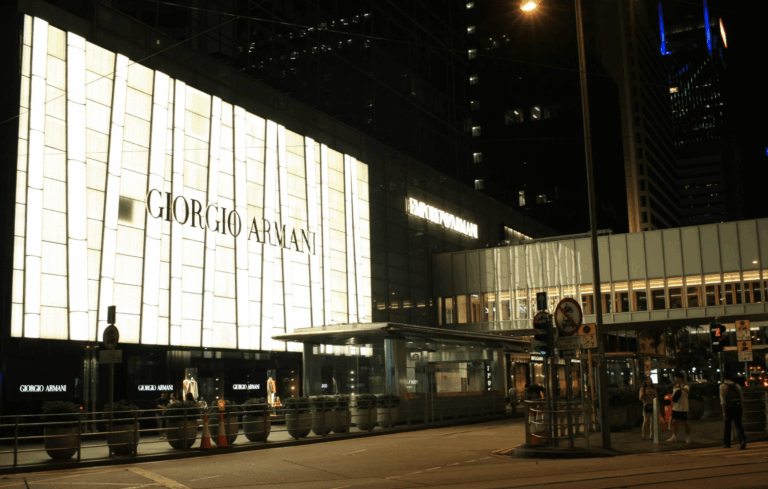
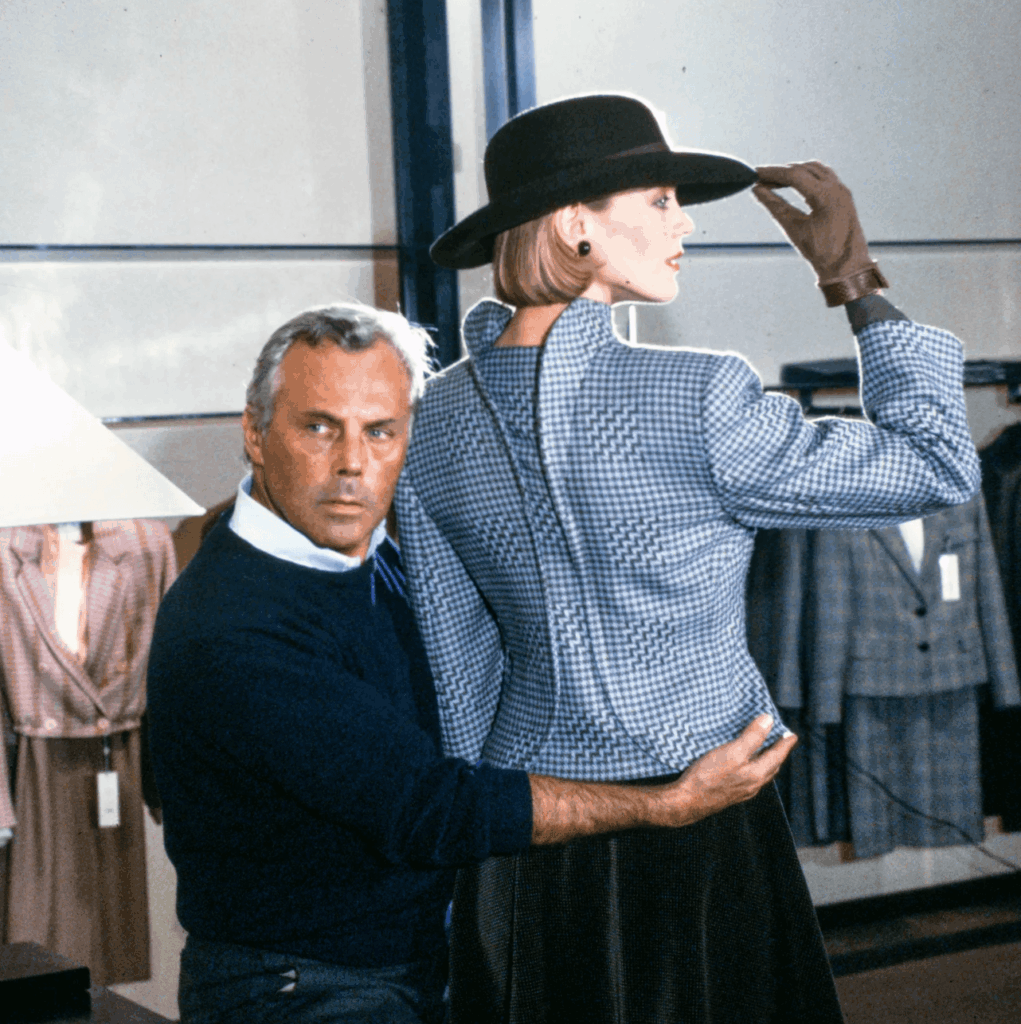
Giorgio Armani was one of the most influential figures in the history of fashion. As the founder of the Armani brand, he transformed the industry with his refined sense of style, attention to detail, and commitment to elegance and is a key figure in mens fashion without forgetting women’s couture also. Born on July 11, 1934, in the Italian city of Piacenza, Armani built a career that would leave a permanent mark on the fashion industry. His passing on September 4, 2025, at the age of 91 marked the end of an extraordinary era, but his creative legacy continues to inspire people around the world. These words are in memory of the great Girogio Armani.
Armani became famous for introducing a new approach to menswear. At a time when business suits were often stiff and heavily structured, he created designs that felt lighter, more comfortable, and more natural while still looking sophisticated. His innovative style changed how professionals and public figures dressed and helped redefine modern elegance.
Before entering the fashion world, Armani studied medicine at the University of Milan. However, he soon realized his interests lay elsewhere and left his studies to pursue a different path. His early experience working in retail and visual merchandising provided valuable insight into design and consumer preferences. Later, he worked for the fashion house Cerruti, where he further developed his skills as a designer.
In 1975, Armani launched his own company with business partner Sergio Galeotti. The new label quickly gained attention for its distinctive tailoring and modern aesthetic. His soft-shouldered jackets and clean, understated designs stood out from traditional fashion trends and attracted a growing international audience.
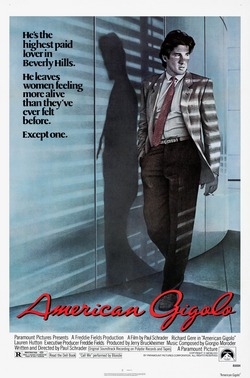
A major turning point in Armani’s career came in 1980 when actor Richard Gere wore his clothing in the film American Gigolo. The movie introduced Armani’s style to millions of viewers and helped establish him as a leading name in luxury fashion. Over the following decades, his creations became popular among actors, musicians, business leaders, and other influential personalities.
As his reputation grew, Armani expanded beyond clothing. His company developed a wide range of luxury products, including fragrances, watches, accessories, furniture, and hospitality ventures. Despite this growth, the brand remained closely associated with the values that defined Armani’s work: quality, simplicity, and timeless sophistication.
Today, Giorgio Armani is remembered not only as a talented designer but also as a visionary entrepreneur whose ideas reshaped modern fashion. His dedication to craftsmanship, innovation, and elegance helped build one of the world’s most respected luxury brands. Although he is no longer with us, his impact on fashion and culture remains as strong as ever.
Artistic Direction and Vision
Who he is: Giorgio Armani is regarded as one of the most influential fashion designers of the modern era. He transformed contemporary fashion by redefining elegance and creating a distinctive vision of how people dress today. His key was to eliminate unnecessary decoration and adapt elements of sportswear into formal and business attire, Armani developed with this a relaxed yet highly sophisticated style that continues to shape modern wardrobes with casual luxury.
What he does: His designs are based on simplicity, refinement, and impeccable craftsmanship. Rather than seeking attention through extravagance, Armani focused on clean lines, subtle details, and minimalistic elegance. His famous belief that “elegance is not about being noticed, it is about being remembered” reflects the philosophy behind his work. During the 1970s, he revolutionized menswear with soft, unstructured jackets that replaced rigid tailoring, offering both comfort and soft sophistication. He brought the same approach to womenswear, creating power suits that combined authority, confidence, and femininity.
Armani’s creative vision centered on effortless elegance. He simplified classic clothing styles while emphasizing versatility, comfort, and high-quality materials. His work encouraged individuality and self-confidence rather than displays of wealth or excess. The father of quiet luxury beyond fashion, he expanded his influence into interior design, hospitality, and lifestyle projects, while promoting responsible and sustainable practices. Through expert craftsmanship and luxurious fabrics, Armani created enduring designs that remain symbols of modern style and sophistication.
Fun Fact: Armani was also recognized for encouraging positive change within the fashion industry. He supported healthier beauty standards and promoted a more responsible approach to fashion. Through collections such as Emporio Armani, he made his designs accessible to younger generations while maintaining the elegance that characterized his brand.
Throughout his career, Armani’s influence extended beyond the runway. He designed costumes for numerous films and played an important role in shaping red-carpet fashion. His creations were worn by many of the world’s most celebrated entertainers and public figures, reinforcing his status as a global style icon.
Heritage
Giorgio Armani could be known as leaving a legacy in fashion of refined casual luxury or even casual luxury tailoring, in a personal aspect he was known for keeping his private life out of the public eye. He shared a long and important partnership with his business associate Sergio Galeotti, which lasted until Galeotti’s death in 1985. Armani was closely associated with the values of elegance, discretion, and refinement in fashion and personal life. His designs and personal philosophy consistently favored subtlety over excess and quality over display.
He also maintained a strong connection to Italian heritage, particularly its traditions of craftsmanship, tailoring, and fine textiles. Throughout his career, he supported cultural projects, the arts, and the restoration of historic Italian sites.
Armani’s impact extended beyond fashion, influencing how people dressed for work, formal events, and red-carpet appearances. His suits became iconic, especially among professional women seeking both authority and elegance. For many decades, he retained creative and financial control of his company. Later in life, he established the Fondazione Giorgio Armani and organized a succession plan involving family members and trusted collaborators to safeguard the brand’s independence and creative identity.
Personal Style
Armani is almost always seen in a simple navy blue or black T-shirt, paired with tailored trousers, often white, beige, or navy. Occasionally he’ll wear a navy sweater or cardigan, but the T-shirt is his trademark. He rarely wears suits or jackets anymore, although he revolutionized the men’s suit in the ’80s. Armani hardly wears any accessories, no big flashing watches, logos or jewelry. He often wears white sneakers or loafers.
Controversiality
In August 2025, Italy’s antitrust authority fined Armani €3.5 million for unfair commercial practices. The charge: Armani’s public statements about its ethical and social responsibility were misleading, given the labor conditions found among its suppliers and subcontractors. The authorities found that many leather goods/accessories were outsourced to subcontractors, who sometimes further subcontracted in turn, with unsafe practices, poor hygiene, removed safety devices, under-the-table “off the books” labour.
Most Known For
Armani is credited with redefining the men’s suit in the 1970s and 1980s. He introduced soft, unstructured jackets, moving away from the stiff tailoring that had previously dominated menswear. This created a more relaxed yet still elegant look. His suits became the uniform of the stylish professional, symbolizing power, sophistication, and modern masculinity. His designs became synonymous with power dressing, particularly in the corporate and Hollywood worlds. Armani’s fame in the United States grew significantly after he dressed Richard Gere in American Gigolo (1980), helping to establish both the actor and the designer as style icons. Armani is also known for his understated aesthetic, characterized by clean lines, neutral colours, and luxurious fabrics—a sharp contrast to the bold and flashy fashions of the 1970s. His style is often described as timeless, minimalist, and refined.
Giorgio Armani king of Menswear: by transforming men’s tailoring and giving suits a more relaxed, natural appearance than the highly structured styles that were popular at the time. The release of American Gigolo (1980), starring Richard Gere, brought Armani’s effortlessly elegant suits to international attention and cemented his reputation as a leading designer.
Female Power dressing: Armani helped define the image of the 1980s professional elite through his clean, sophisticated designs for both men and women. His clothing became closely associated with confidence, authority, and success, making his suits a symbol of status in business and popular culture.
Soft tailoring: During the 1970s and 1980s, Armani revolutionised menswear by introducing unstructured jackets with softer silhouettes and lighter construction. This “deconstructed” approach made suits more comfortable and versatile while maintaining elegance, turning Armani’s style into a global symbol of effortless sophistication.
Least Known For
While he’s famous for luxury fashion, few people know Armani designed uniforms for sports teams such as the Italian national football team (Italy’s soccer team) for multiple FIFA World Cups. Olympic uniforms for Italy (since 2012). Despite being a fashion icon, his work in athletic apparel is not widely recognized outside of Italy or sports fashion circles. Armani launched Armani/Casa, his luxury home décor and furniture line in 2000. He also collaborated on the design of Armani Hotels, including luxury properties in Dubai and Milan. Yet, few people associate him directly with architecture, furniture, or interior design, even though his brand has made a significant impact in this space. Armani is one of the most powerful names in fashion, yet he remains extremely private. Many people don’t know much about his personal life, beliefs, or day-to-day activities because he rarely gives personal interviews or seeks media attention beyond his brand.
His early work as a window dresser and menswear buyer: Before establishing his own label in 1975, Armani gained valuable experience working behind the scenes at La Rinascente, a major Milan department store, and later as a designer for Nino Cerruti. These formative roles helped shape his distinctive aesthetic and understanding of menswear, yet they are often overlooked in discussions of his career.
His ventures into hospitality and architecture: Armani’s influence extends far beyond fashion through projects such as the Armani Hotels in Dubai and Milan. These luxury properties reflect his signature style of elegance, simplicity, and sophistication. Nevertheless, the public generally associates the Armani name with tailored suits and red-carpet fashion rather than hospitality, interior design, or architecture.
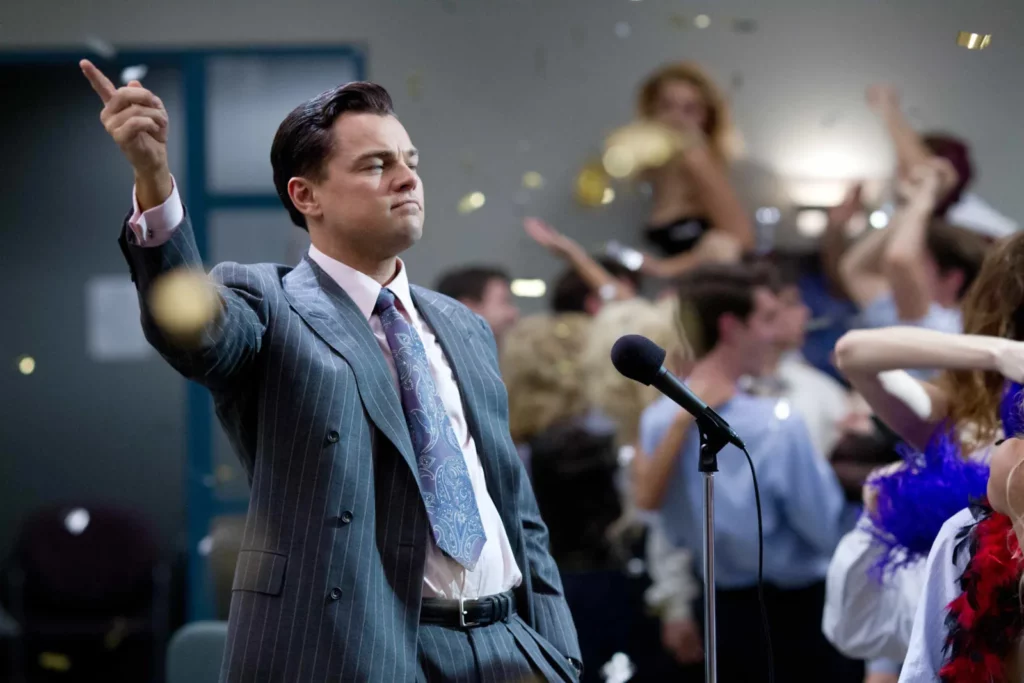
His film directing and artistic experimentation: Armani has maintained a long-standing relationship with the film industry. While he is widely recognised for designing wardrobes for iconic film characters such as Richard Gere in American Gigolo and Leonardo DiCaprio in The Wolf of Wall Street, for which Sandy Powell, costume designer, drew inspiration from the Armani archives, Mr. Armani has also been involved in producing, art-directing, and creating fashion films and exhibitions. In 2012, he collaborated with director Luca Guadagnino on the short film One Plus One, using cinema to translate the atmosphere of his Spring collection into a narrative. These creative projects demonstrate Armani’s broader artistic vision, yet they are rarely discussed outside the fashion world.
Author Paul Schwoerer
I am young fan of fashion. I sew, I create and I think about clothes. In the future I want to create my own brand with my best friend.